

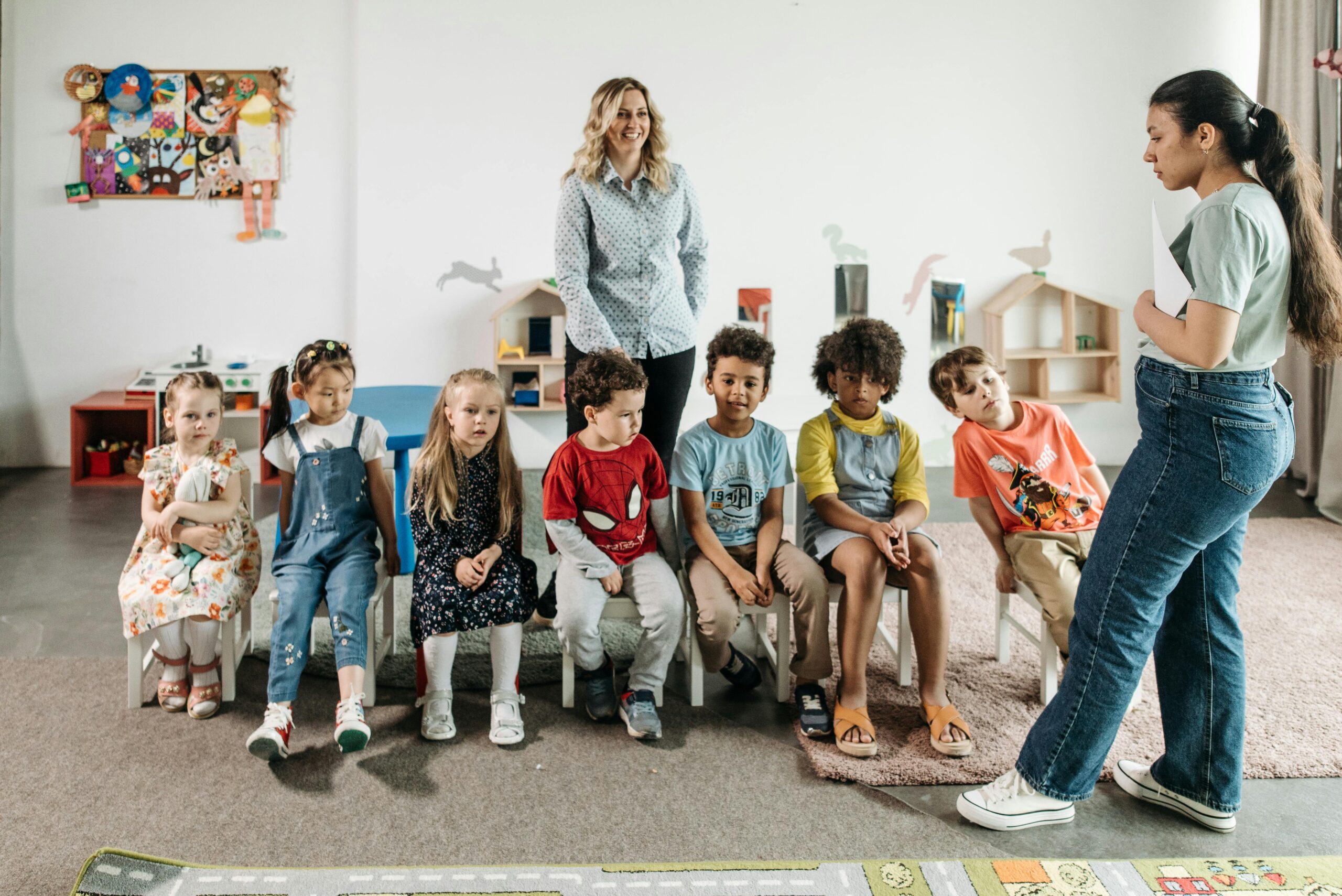
Why Day Care Is a Practical Choice for Busy Parents
Balancing work, family, and personal responsibilities can be challenging, especially for parents with young children. As daily demands increase, many families look for reliable solutions that support both their careers and their child’s development. One option that continues to stand out is day care. Far from being just a place to supervise children, modern day care centers offer structured environments that contribute to learning, social growth, and emotional well-being.
Providing a Safe and Supervised Environment
One of the most important reasons parents consider day care is safety. When work or other obligations require time away from home, knowing that children are in a secure and supervised setting brings peace of mind.
Day care centers are typically designed with child safety in mind, from secure entry systems to trained staff who monitor children throughout the day. This level of supervision ensures that children are not only protected but also cared for in a consistent and attentive manner.
For busy parents, this reliability is essential. It allows them to focus on their responsibilities without constant worry about their child’s well-being.
Supporting Early Learning and Development
Day care is not just about supervision—it also plays a key role in early education. Many centers incorporate structured activities that promote cognitive and language development. Through storytelling, music, art, and guided play, children are exposed to learning experiences that stimulate their curiosity and creativity.
These early experiences can help build foundational skills such as problem-solving, communication, and basic literacy. Children are encouraged to explore, ask questions, and engage with their surroundings in a way that supports long-term growth.
This structured learning environment can be especially beneficial for children who thrive on routine and guided interaction.
Encouraging Social Skills at a Young Age
One of the unique advantages of day care is the opportunity for children to interact with peers regularly. Social development is a crucial part of early childhood, and day care provides a natural setting for children to learn how to communicate, share, and cooperate.
Through group activities and playtime, children begin to understand concepts like teamwork, empathy, and conflict resolution. These interactions help them build confidence and develop the social skills needed for school and beyond.
For parents, this means their children are gaining valuable interpersonal skills even before entering a formal classroom setting.
Establishing Routine and Structure
Consistency is important for young children, and day care centers often follow structured daily schedules. From designated meal times to planned activities and rest periods, this routine helps children understand expectations and develop a sense of stability.
A predictable schedule can make transitions easier, whether it’s moving from playtime to learning activities or preparing for nap time. This structure also supports behavioral development, as children learn to adapt to routines and follow guidelines.
For busy parents, having a consistent daily routine can also simplify planning and create a smoother flow between home and day care.
Allowing Parents to Focus on Work and Responsibilities
For working parents, one of the biggest challenges is finding reliable child care that allows them to concentrate fully on their jobs. Day care provides a dependable solution that supports professional commitments without compromising a child’s care.
Knowing that children are in a nurturing environment allows parents to be more productive and less distracted during the day. This balance can reduce stress and improve overall well-being for the entire family.
It also creates a healthier separation between work and home life, which is essential for maintaining long-term stability.
Promoting Independence and Confidence
Being in a day care setting encourages children to develop independence at an early age. Simple tasks like putting away toys, following instructions, or participating in group activities help build self-reliance.
As children become more comfortable in a structured environment, they gain confidence in their abilities. This sense of independence can carry over into other areas of life, making transitions to school and new experiences smoother.
For parents, watching their child grow more confident and capable is a rewarding outcome of choosing day care.
Exposure to Diverse Experiences
Day care environments often bring together children from different backgrounds, creating opportunities for diverse interactions. This exposure helps children learn about different perspectives, cultures, and ways of thinking.
Activities and group settings introduce children to new ideas and experiences that they may not encounter at home. This broadens their understanding of the world and encourages open-mindedness from an early age.
Such exposure can play an important role in shaping well-rounded individuals who are comfortable in a variety of social settings.
Building a Support System for Families
Day care is not just beneficial for children—it also provides support for parents. Many centers foster a sense of community where families can connect, share experiences, and learn from one another.
Caregivers and staff can also offer valuable insights into a child’s development, helping parents better understand their needs and progress. This partnership creates a collaborative approach to raising and supporting children.
For busy parents, having this additional layer of support can make a significant difference in managing daily challenges.
Preparing Children for Future Education
Day care can serve as a stepping stone to formal education. The structured environment, social interaction, and early learning experiences help prepare children for the expectations of school.
By the time they enter a classroom setting, children who have attended day care are often more comfortable with routines, group activities, and following instructions. This familiarity can make the transition smoother and less overwhelming.
Early preparation can also foster a positive attitude toward learning, setting the stage for future academic success.
Conclusion: A Balanced Solution for Modern Families
Day care offers a well-rounded solution for busy parents who want the best for their children while managing demanding schedules. It combines safety, education, social development, and structure in a way that supports both children and families.
Rather than simply filling a gap in supervision, day care creates an environment where children can grow, learn, and thrive. At the same time, it provides parents with the confidence and flexibility needed to meet their responsibilities.
In today’s fast-paced world, day care stands out as a practical and beneficial choice that helps families maintain balance while supporting a child’s early development.