

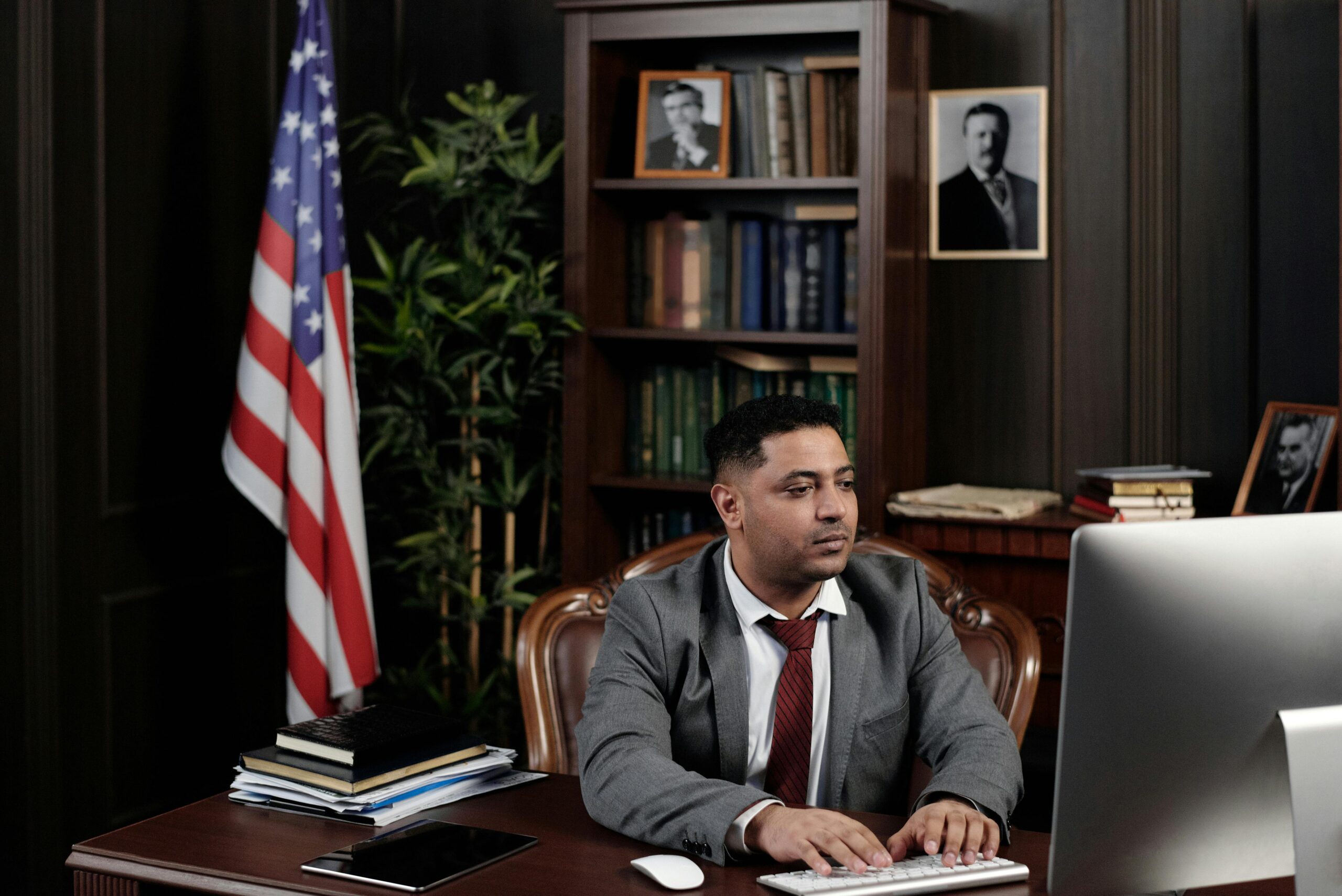
The Power of Representation: Why You Shouldn’t Face a License Hearing Alone
Facing a license hearing can feel intimidating, especially if you’re not familiar with how the process works. There’s often a lot at stake, from your ability to drive to how your daily routine will be affected. It’s not just about answering questions—it’s about presenting your situation clearly and effectively.
Many people assume they can handle it on their own, especially if they believe their case is straightforward. But even simple situations can become complicated when legal procedures and expectations come into play. Having the right support can make a meaningful difference in how things unfold.
Understanding What’s at Stake
A license hearing isn’t just a formality—it can directly impact your ability to drive legally. For many people, driving is tied to work, family responsibilities, and basic independence. Losing that privilege can create challenges that ripple into many areas of life. Protecting your right to drive is often essential for maintaining your livelihood.
The outcome of the hearing often depends on how well your case is presented. It’s not only about what happened, but how clearly and accurately it’s explained. That’s why preparation and understanding the process are so important. Presenting a organized and logical argument can significantly influence the final decision.
Knowing How the Process Works
License hearings follow specific procedures that may not be obvious at first glance. There are rules about what information needs to be shared, how it should be presented, and when certain steps must be taken. Missing even a small detail can affect the outcome. Navigating these technical requirements often requires a deep understanding of administrative law.
For someone unfamiliar with the system, it can feel like navigating unfamiliar territory. There may be terms or requirements that aren’t clearly explained in everyday language. This is where guidance becomes especially valuable, helping you stay on track and avoid unnecessary mistakes.
Presenting Your Case Effectively
It’s one thing to know your situation, and another to communicate it in a way that supports your case. A hearing often requires you to explain what happened, show accountability, and demonstrate that you’re taking steps to move forward. Doing this clearly can influence how your case is viewed.
Working with a license suspension attorney can help you organize your thoughts and present them in a structured way. They understand what decision-makers are looking for and how to highlight the most important details. This can help ensure your voice is heard in the right way. Having a skilled advocate by your side increases your chances of a favorable resolution.
Avoiding Common Missteps
Without experience, it’s easy to overlook small but important details during a hearing. Saying too little, saying too much, or misunderstanding a question can all affect how your case is perceived. These moments may seem minor, but they can carry weight.
Having someone guide you through the process helps reduce those risks. A lawyer can prepare you for what to expect and help you respond with confidence. That preparation can make the experience feel less stressful and more manageable.
Building Confidence Through Support
Facing a hearing alone can add unnecessary pressure to an already stressful situation. When you’re unsure about what will happen next, it’s easy to feel overwhelmed. That stress can make it harder to think clearly and respond effectively.
With the right support, the experience can feel very different. Knowing that someone is there to guide you can bring a sense of stability. It allows you to focus on your role while trusting that the process is being handled carefully.
Conclusion
A license hearing is an important moment that can shape what comes next for you. While it may seem manageable on your own, the process often involves more than meets the eye. Preparation, clarity, and confidence all play a role in the outcome.
Having representation isn’t just about legal knowledge—it’s about having someone who understands how to navigate the process. With the right support, you can approach the hearing with greater confidence and a clearer path forward.