

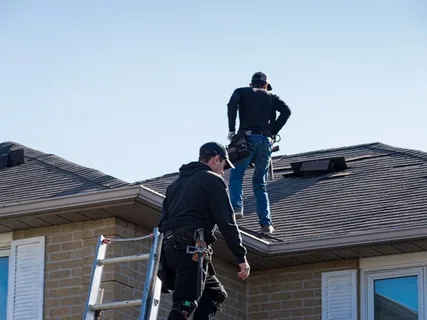
The Power of a Professional Roof Tune-Up: What a Yearly Inspection Should Cover
We think nothing of getting our cars tuned up every year to prevent a costly engine failure, but we often forget about the most important structural system of our homes: the roof. Waiting until you see a water stain spreading across your ceiling is the most expensive way to deal with a roof problem. By that point, the damage is already extensive, involving not just the shingles but the underlying decking, insulation, and interior sheetrock.
The smarter, more affordable approach is preventative care—specifically, a professional, yearly roof inspection, often referred to as a “tune-up.” This proactive maintenance doesn’t just check for existing problems; it actively prevents minor issues from escalating into five-figure repairs. A professional tune-up is truly the best defense against leaks and premature roof replacement, giving you peace of mind year after year.
Thoroughly Inspecting the Field and Surface
The first crucial step in a professional roof tune-up is a detailed inspection of the “field,” which is the main, flat surface covered by shingles or tiles. The professional will carefully walk the entire roof, looking for any signs of damage that aren’t visible from the ground. This includes checking for curling, cracked, or missing shingles that may have been damaged by wind or hail.
They also assess the overall granule loss, which is essential for asphalt shingles, as those granules protect the shingle from damaging UV rays. Catching these surface imperfections early allows for quick, low-cost repairs before water can penetrate the protective layer.
Scrutinizing the Flashing and Seals
Most roof leaks don’t happen on the open surface; they occur where the roof plane is interrupted by structural elements. These are the areas protected by flashing—thin pieces of metal used to redirect water away from joints. A professional roof maintenance involves a detailed inspection of all flashing around chimneys, skylights, vent pipes, and wall intersections.
The inspection ensures the metal isn’t rusted, lifted, or damaged, and verifies that the sealant around the edges is intact and pliable. Resealing small cracks in the sealant is a minimal investment that can prevent catastrophic leaks, making the proper maintenance of these joints vital for your roof’s integrity.
Assessing the Gutter and Drainage System
A roof is only as good as its drainage system. If water can’t flow off the roof and away from the home, it will inevitably find a way inside. The maintenance professional will inspect and clear out the gutters, ensuring they are free of debris, leaves, and granules.
They also check the alignment and pitch of the gutters to guarantee proper water runoff. Blocked or sagging gutters can cause water to pool, leading to wood rot in the fascia boards and, critically, the formation of ice dams in winter that back up water underneath your shingles.
Examining the Ventilation and Attic Health
What happens inside your attic directly impacts the life of your roof. During a roof maintenance, the professional will often venture into the attic space to check the ventilation system. They look for signs of excessive heat buildup or condensation, which are indicators of poor airflow.
Poor ventilation traps heat and moisture, which essentially bakes your shingles from the inside out and encourages mold growth. Ensuring that all roof vents—from ridge vents to soffit vents—are operating correctly helps regulate the temperature and humidity, extending the life of the roofing material and preventing structural damage.
Documenting Damage and Providing a Repair Roadmap
The final and most valuable component of a professional tune-up is the documented report. The roofing expert provides a clear record of the roof’s current condition, complete with photos of any found issues, however minor. This report serves as your repair roadmap.
It provides transparent recommendations for immediate small fixes (like replacing a single cracked shingle or applying new sealant) and flags potential future problems (like a gutter section that may need replacement next year). This documentation empowers you to make proactive, budget-conscious decisions, avoiding unexpected, costly emergencies down the line.
Proactive Care Yields Long-Term Savings
Treating your roof to a yearly professional tune-up is the best financial defense you have against major property damage. By investing a little time and money now, you prevent the tiny, preventable flaws—like a cracked seal or a loose shingle—from turning into thousands of dollars in water damage later. A healthy roof means a safe, dry home, and that peace of mind is truly priceless.
