

Pediatric Hernia Treatment: What Parents Need to Know
Hernias are a common concern in children, and as a parent, understanding pediatric hernia treatment is essential for ensuring your child’s health and comfort. This article provides a clear overview of what hernias are, the available treatment options, and what parents should expect during the care process.
What Is a Pediatric Hernia?
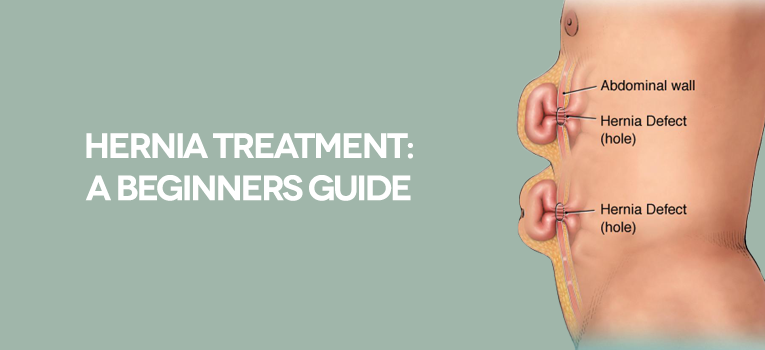
A hernia occurs when an internal organ or tissue pushes through a weak spot in the surrounding muscle or connective tissue. In children, the most common types are inguinal hernias, which appear in the groin area, and umbilical hernias, located near the belly button. While some hernias may not cause pain initially, they can lead to complications if left untreated.
Signs and Symptoms to Watch For
Parents should be aware of the following signs that may indicate a hernia:
- A visible bulge or lump in the abdomen or groin area
- Pain or tenderness, especially when the child cries, coughs, or strains
- Nausea, vomiting, or changes in bowel movements in more severe cases
Early detection is crucial because prompt pediatric hernia treatment can prevent complications such as incarceration or strangulation, which require emergency care.
Treatment Options for Pediatric Hernias
Treatment for hernias in children typically depends on the type, size, and severity of the hernia. Most hernias do not resolve on their own and require surgical intervention.
1. Surgical Repair
The most common approach is hernia repair surgery, which is generally safe and effective. The procedure involves returning the protruding tissue to its proper place and reinforcing the weakened area. Surgeons often perform this as an outpatient procedure, allowing children to go home the same day.
2. Non-Surgical Monitoring
In certain cases, such as small umbilical hernias in infants, doctors may recommend a period of observation. Many small umbilical hernias close naturally by the age of 3–4 years, but regular check-ups are necessary to monitor progress.
Post-Treatment Care
After surgery, children usually recover quickly. Parents should follow these guidelines to ensure proper healing:
- Keep the surgical area clean and dry
- Monitor for signs of infection, such as redness, swelling, or fever
- Limit physical activities until the doctor confirms full recovery
Follow-up appointments are crucial to ensure that the hernia has been fully repaired and that no complications arise.
When to Seek Immediate Medical Attention
While most hernias are manageable, urgent medical care is needed if your child experiences:
- Sudden, severe pain at the hernia site
- Red, purple, or dark-colored bulge
- Vomiting or inability to pass stool
Prompt attention can prevent serious complications and ensure safe, effective pediatric hernia treatment.
Conclusion
Understanding pediatric hernia treatment is vital for parents to make informed decisions and act quickly if needed. By recognizing symptoms, knowing treatment options, and following post-care instructions, parents can help their children recover safely and prevent complications. Regular check-ups and timely medical care ensure the best outcomes for children with hernias.
