

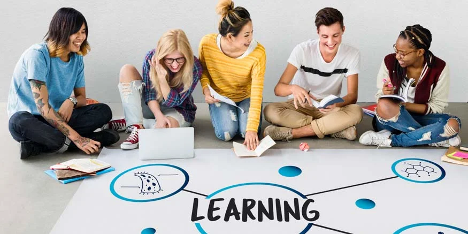
In today’s fast-paced world, learning is no longer limited to textbooks and classrooms. Many people are discovering that hands-on experience and real-world practice can significantly improve their skills and personal growth. This approach, known as experiential learning, allows individuals to learn by doing, reflecting, and applying knowledge in practical situations. By engaging actively in experiences rather than just absorbing information passively, people can enhance their career growth and personal development in meaningful ways.
Understanding Experiential Learning
Experiential learning is a process where individuals gain knowledge, skills, and insights through direct experience. Unlike traditional learning methods, which focus heavily on lectures and theory, experiential learning encourages active participation and problem-solving. This approach often involves projects, internships, simulations, workshops, or real-world challenges where learners can apply their knowledge immediately. Experiential learning not only helps in understanding concepts better but also develops critical thinking, adaptability, and decision-making abilities.
Boosting Career Growth Through Hands-On Experience
One of the main benefits of experiential learning is its direct impact on career growth. By actively participating in practical experiences, individuals can develop skills that are highly valued in the workplace. For example, internships and on-the-job training allow employees to apply what they have learned in school or online courses in a professional environment. This practical exposure often leads to increased confidence, better problem-solving skills, and improved communication abilities, all of which are crucial for career advancement. Employers often prefer candidates with hands-on experience because it demonstrates not only competence but also the ability to adapt to real-world challenges.
Enhancing Personal Development
Experiential learning is equally effective for personal growth. Engaging in real-life activities encourages self-reflection, helping individuals understand their strengths, weaknesses, and areas for improvement. For instance, participating in group projects or community service can improve teamwork, empathy, and leadership skills. Additionally, facing challenges in a controlled environment allows learners to develop resilience and adaptability, traits that are essential for navigating both professional and personal life successfully. By continuously learning through experience, individuals become more self-aware and confident, which contributes to overall personal development.
Learning from Mistakes and Feedback
A unique aspect of experiential learning is the opportunity to learn from mistakes. Unlike theoretical learning, where errors may have little consequence, practical experiences often provide immediate feedback. This feedback allows learners to analyze their actions, understand what went wrong, and make necessary adjustments. This process of trial and error is highly effective in building competence and confidence. Over time, individuals become more skilled at handling complex situations, making better decisions, and achieving their goals more efficiently.
Applying Knowledge in Real-World Situations
Experiential learning emphasizes the practical application of knowledge, which is vital for both career and personal growth. By engaging in real-world situations, learners can see how theoretical concepts work in practice. For example, a marketing student who participates in a live campaign can understand customer behavior, team dynamics, and project management far better than by only studying textbooks. Similarly, a professional attending a workshop or simulation can acquire skills that directly enhance job performance. This ability to translate knowledge into action is a significant advantage in today’s competitive world.
Building Lifelong Learning Habits
Experiential learning also promotes a mindset of lifelong learning. When individuals experience the benefits of learning through action, they are more likely to continue seeking new opportunities for growth. This habit encourages continuous self-improvement and keeps skills relevant in a constantly changing job market. Lifelong learners are often more adaptable, innovative, and prepared for unexpected challenges, which contributes to long-term career success and personal fulfillment.
Conclusion
Experiential learning is a powerful approach that goes beyond traditional education by emphasizing hands-on experiences, practical application, and self-reflection. It helps individuals develop critical skills, build confidence, and gain valuable insights that enhance both career growth and personal development. By learning through doing and reflecting on experiences, people become more adaptable, resilient, and capable of achieving their goals. Embracing experiential learning is not just a method of acquiring knowledge—it is a pathway to a more skilled, confident, and fulfilled life.
