

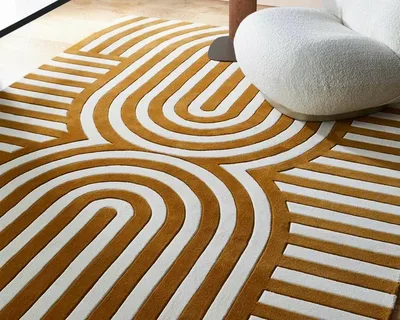
Flat Weave Rugs That Work Well Under Furniture
You pull a chair out from the dining table, and the legs catch in the deep pile of the rug. You try to scoot closer to the table, but the chair refuses to budge. Or perhaps you place a coffee cup on a side table, and it tilts precariously because the rug underneath creates an uneven surface. These small daily annoyances add up.
Thick, plush rugs feel great underfoot, but they often fail when placed under heavy furniture. They retain deep indentations, trap dust, and make moving furniture a workout.
This is where the flat weave rug shines. These rugs lack the knot-and-pile construction of traditional carpets, resulting in a slim, durable profile. They offer a practical solution for high-traffic areas and furniture-heavy zones without sacrificing style. This guide explains why these textiles are the smart choice for your home and how to select the perfect one.
The Case for Flat Weave Rugs Under Furniture
Structure dictates function. Flat weave rugs are created on a loom by interlacing vertical (warp) and horizontal (weft) threads. This technique produces a rug with no pile. The surface is smooth, tight, and uniform.
This construction offers distinct advantages for furniture placement:
- Stability: A flat surface means your coffee tables, lamps, and chairs sit level. There is no wobble.
- Ease of Movement: Dining chairs slide back and forth effortlessly. This prevents the frustration of lifting a chair every time you leave the table.
- Durability: Heavy furniture crushes the fibers of high-pile rugs, leaving permanent divots. Flat weave rugs resist this compression. They maintain their shape even under the weight of a solid oak bookcase.
- Clearance: Their low profile allows doors to swing open freely. You won’t need to shave down the bottom of your doors just to accommodate a floor covering.
Understanding Materials and Construction
The material determines how the rug feels and wears over time. When you select a rug for under furniture, you need fibers that handle friction well.
Wool
Wool remains the gold standard for durability. It is naturally stain-resistant and springs back into shape. A wool flat weave (often called a Dhurrie or Kilim) handles heavy foot traffic and the weight of sofas with ease. It is soft enough for a living room but tough enough for a hallway.
Cotton
Cotton flat weaves are softer and often more affordable. They offer a casual look and feel. Many are lightweight enough to fit in a residential washing machine. However, they grip the floor less than wool, so a rug pad is non-negotiable here to prevent slipping.
Jute and Sisal
These natural plant fibers are incredibly tough. They add texture and an organic feel to a room. They are rigid, which makes them excellent for layering under furniture. A heavy dining table will not damage a jute rug.
Decorating with Style
Choosing a practical rug does not mean you have to settle for a boring floor. Flat weave rugs come in an endless array of patterns and colors.
Because they are thin, they are the best candidates for layering. A popular design trick involves placing a large, neutral jute rug as a base layer to cover most of the floor. You can then place a smaller, patterned vintage rug on top to anchor a specific piece of furniture, like a coffee table. This adds visual interest without creating a tripping hazard.
For modern interiors, look for geometric patterns or solid blocks of color. The clean lines of a flat weave complement the sleek profiles of mid-century modern furniture. If your style leans toward bohemian or eclectic, the intricate patterns of traditional Indian Dhurries add character without overwhelming the space.
Finding the Right Size and Shape
A common mistake is buying a rug that is too small. This creates a “floating” effect where the rug looks like a postage stamp in the middle of the room. When placing rugs under furniture, size matters.
The Dining Room Rule: The rug must extend at least 24 inches beyond the table on all sides. This ensures that when a guest pulls a chair out to sit, the back legs stay on the rug. If the legs drop off the edge, it creates instability and can damage the rug binding.
The Living Room Layout: You have two main options. First, place all legs of the furniture on the rug. This defines the seating area clearly. Second, place just the front legs of the sofa and armchairs on the rug. This ties the pieces together while keeping the walkway clear.
The Bedroom Approach: Place the rug perpendicular to the bed. It should stop a few inches in front of the nightstands, allowing you to step onto soft fabric when you wake up.
Care and Maintenance
Flat weave rugs are generally easier to maintain than their high-pile counterparts. Dirt and crumbs sit on the surface rather than sinking deep into the fibers.
- Vacuuming: Use the suction attachment rather than the beater bar. The rotating brush of a beater bar can pull at the weave and cause fuzzing.
- Spot Cleaning: Blot spills immediately. Do not rub, as this pushes the liquid into the fibers.
- Rotation: Rotate the rug 180 degrees every six months. This ensures even wear, especially if one side sits in direct sunlight or a high-traffic path.
- Reversibility: Many flat weave rugs look the same on both sides. If you encounter a stubborn stain or notice wear patterns, simply flip the rug over. You essentially get two rugs for the price of one.
Buying Guide: Where to Find Quality
You can find rugs almost anywhere, but mass-produced synthetic options often lack character and longevity. When you look to buy rugs online, pay attention to the origin and the craftsmanship.
Handmade options offer superior durability compared to machine-made alternatives. The tightness of the weave in a handmade piece ensures it stays flat and resists curling at the corners.
India is globally recognized for its textile heritage. Premium Handmade Rugs in India are crafted using techniques passed down through generations. Regions like Bhadohi are famous for producing high-quality flat weaves that blend traditional durability with contemporary design.
Brands like The Ambiente focus specifically on this intersection of quality and heritage. They work with thousands of women weavers in Bhadohi to produce rugs that support sustainable livelihoods. Sourcing from a specialist ensures you get a product made from quality materials like natural wool or silk, rather than cheap synthetics that degrade quickly.
Upgrade Your Floor Space
The right rug does more than cover the floor; it anchors your room. Flat weave rugs offer the perfect balance of form and function. They allow your furniture to sit securely, your chairs to move freely, and your doors to open easily.
By choosing Flat Weave Rugs, you invest in a hassle-free home environment. Whether you choose a bold geometric cotton rug or a sturdy natural jute, you solve the mechanical problems of interior design while keeping your space looking sharp.
