

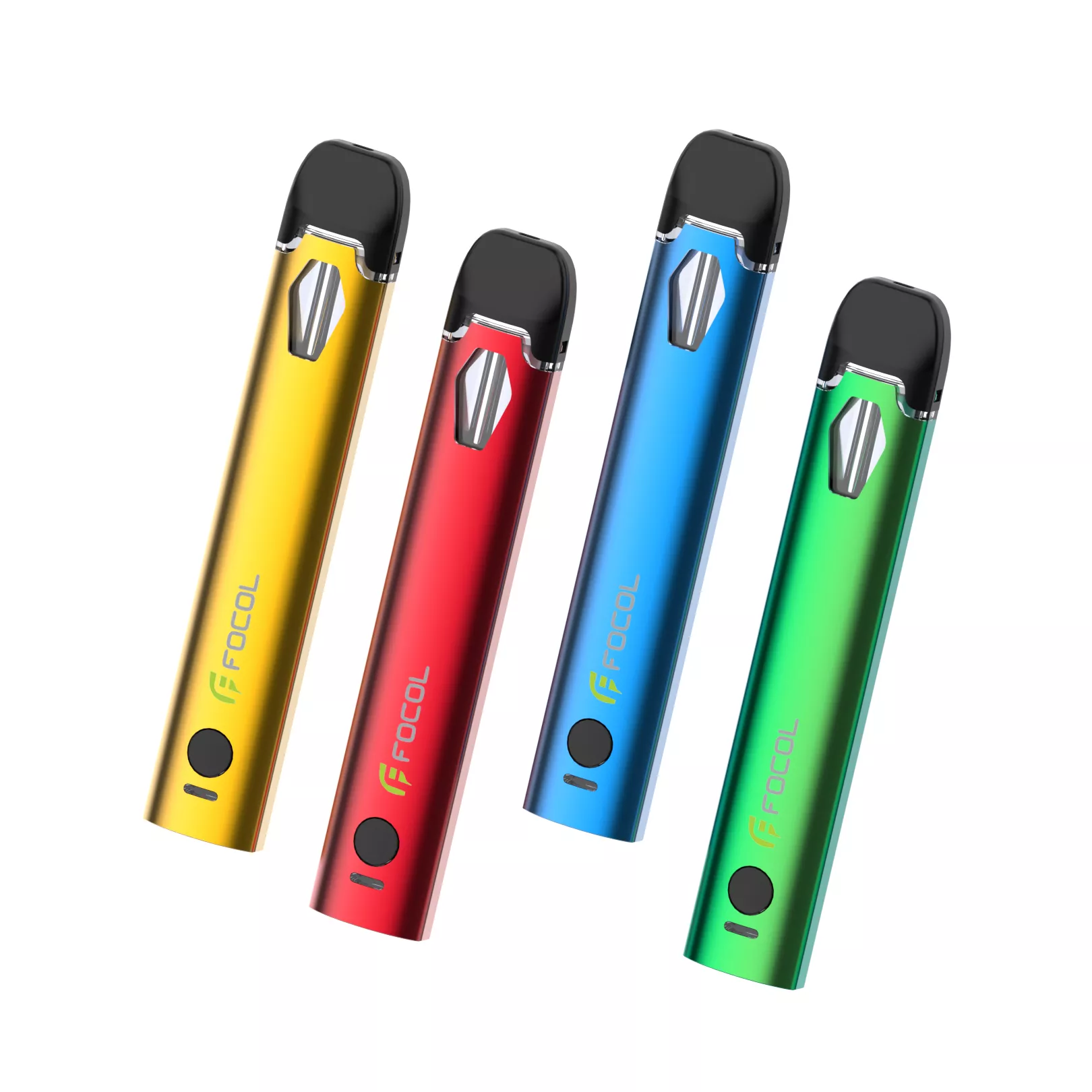
Environmental Impact of Disposable THC Vape Pens
Introduction
The Environmental Impact of Disposable thc vape pen has become an increasingly important topic as single-use vaping devices grow in popularity. While these products are often chosen for convenience and portability, their disposal and production raise concerns about waste, pollution, and resource consumption. Understanding the Environmental Impact of Disposable THC Vape Pens helps highlight why sustainability discussions around vaping products are becoming more urgent.
What Are Disposable THC Vape Pens?
Disposable THC vape pens are single-use devices pre-filled with THC oil and powered by a built-in battery. Once the oil or battery is depleted, the entire device is discarded rather than refilled or reused. This design contributes significantly to the Environmental Impact of Disposable THC Vape Pens, as both electronic and chemical waste are generated from each unit.
E-Waste and Battery Pollution
One of the most significant issues in the Environmental Impact of Disposable THC Vape Pens is electronic waste (e-waste). Each pen contains a lithium-ion battery, which can be harmful if not properly recycled. When disposed of incorrectly, these batteries may leak toxic substances into soil and water systems or contribute to landfill pollution.
Because disposable vape pens are small and widely used, they often end up in general trash instead of proper e-waste recycling streams, increasing environmental strain.
Plastic and Material Waste
Another major factor in the Environmental Impact of Disposable THC Vape Pens is the use of mixed materials such as plastic casings, metal components, and electronic circuitry. These materials are often fused together, making recycling difficult or economically unfeasible.
As a result, most disposable vape pens are not effectively recycled and instead accumulate in landfills, contributing to long-term environmental degradation.
Carbon Footprint of Production and Transport
The manufacturing and global distribution of disposable vape devices also add to their environmental burden. The Environmental Impact of Disposable THC Vape Pens includes emissions generated during raw material extraction, production processes, packaging, and transportation.
Since these products are designed for short-term use, their lifecycle emissions per unit of consumption are significantly higher compared to reusable alternatives.
Chemical Waste and Residue
Residual THC oil and other chemical components left inside discarded pens may also contribute to environmental contamination. Although present in small quantities, the cumulative effect of large-scale disposal adds to the overall Environmental Impact of Disposable THC Vape Pens, especially in areas without proper hazardous waste management systems.
Possible Solutions and Alternatives
Reducing the Environmental Impact of Disposable THC Vape Pens requires both consumer awareness and industry changes. Some potential solutions include:
- Promoting rechargeable and refillable vape devices
- Expanding e-waste recycling programs
- Using more sustainable materials in device design
- Implementing take-back or return schemes by manufacturers
Shifting toward reusable systems can significantly reduce waste generation and environmental harm.
Conclusion
The Environmental Impact of Disposable THC Vape Pens is driven by a combination of electronic waste, plastic pollution, and inefficient recycling systems. As usage continues to grow, addressing these environmental concerns becomes increasingly important. Moving toward more sustainable vaping alternatives can help reduce long-term ecological damage and encourage more responsible consumption habits.